What a bargain is and what it isn't
A bargain is buying something for less than it usually costs. Everything else advertised as one isn't. It's not a big percentage, an eye-catching banner or a countdown in red.
The difference matters because the last three can be manufactured and the first can't. Anyone can show a seventy per cent discount on a price nobody has ever paid. Nobody can fake a product being below its usual price without actually lowering it.
The previous price has a legal definition
Since Spain's Royal Decree-law 24/2021 transposed the EU Omnibus Directive, a retailer announcing a price cut has to show the previous price. And the store doesn't get to pick that previous price: the law defines it as the lowest amount that same retailer charged for that same product in the previous thirty calendar days.
That kills the crudest trick, which was raising the price the week before so you could then announce a spectacular drop.
What it doesn't kill is everything else. The window is thirty days, so any earlier movement falls outside it. And a correct previous price doesn't mean today's price is a good one.
Three signs you're looking at one of the good bargains
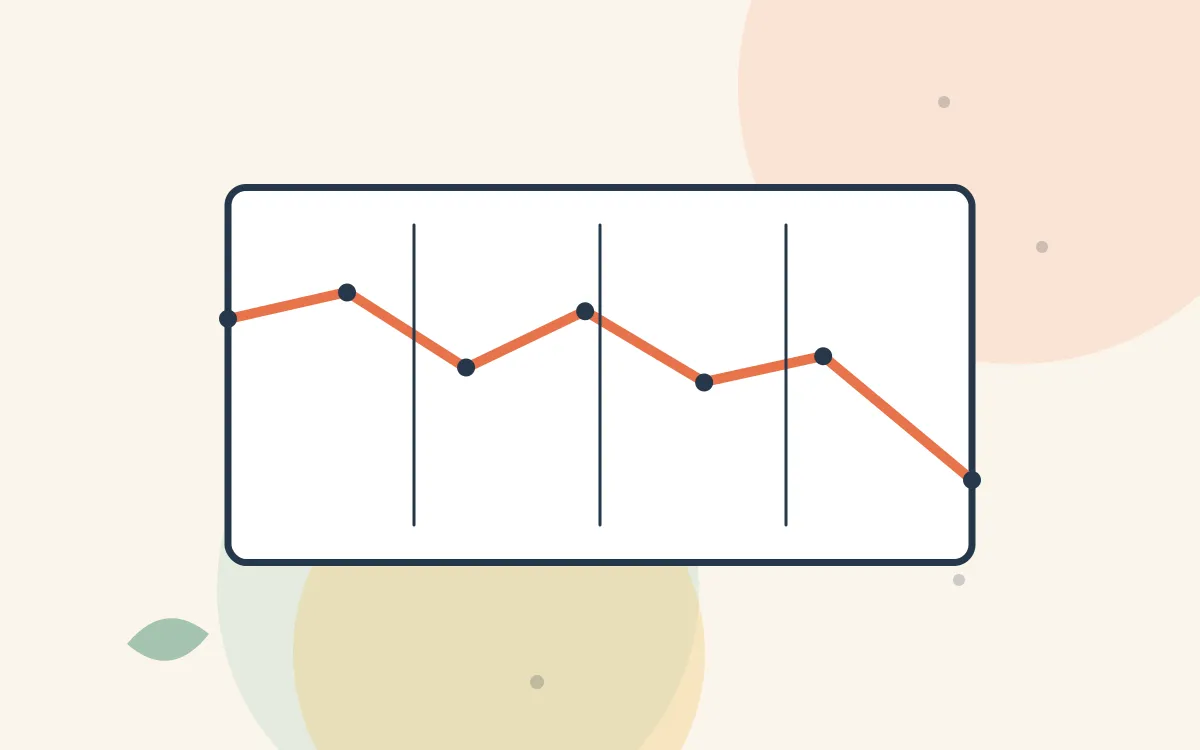
The first is that the price has been where it is for a while. If you've watched that product for a few weeks and today's number is lower than anything you saw, it's a bargain. Without that history, you're guessing.
The second is that the comparison is against what that store charges, not against a catalogue's recommended retail price. When the discount is worked out on a theoretical reference, the percentage can be huge and the saving zero.
The third is that the final price holds all the way to the checkout screen. Shipping, delivery terms and extra charges are part of what you end up paying, and some offers stop being offers at the last step.
The trap that costs the most money
A discount on something you weren't going to buy isn't a saving, it's spending at a reduced price. It's the simplest trap of all and the one that does the most damage, because no amount of knowledge about prices disarms it.
The only defence that works is having decided beforehand what you want. If the product was on your list, the discount is good news. If it shows up for the first time during the sale, what's happened is that you've been sold something.
Hunting bargains or waiting for them
Hunting bargains means looking a lot and deciding fast. It's fun, it eats time and it exposes you to exactly the trap above, because the more you look, the more things you find that you didn't know you wanted.
Waiting for them is the opposite. You decide first what you want, note down what price feels right, and let the discount come to you. With Spain's retail calendar deregulated since 2012, every store cuts prices whenever it likes, so there's always a next chance.
The second method is more boring and saves quite a lot more.
What you need to be able to wait
Waiting only works if the product is saved somewhere you go back to effortlessly. If it's in one store's favourites, in a screenshot and in a link you sent yourself, you don't go back.
Spaidoo brings products from different stores together in a single list. With everything in one place, comparing prices of products sold in different shops stops being a chore and becomes a thirty-second glance on your phone.
And that's where bargains reveal themselves, because you already know what that thing cost last week.
Where real bargains tend to be
- In models that are being replaced.
- When a range is refreshed, the previous version drops on its own, without anyone having to announce it.
- In seasonal products out of season.
- Buying coats in March is awkward, and it's the most predictable way to pay less.
- And in the dead periods of the retail calendar, when there's no sale on and nobody is looking.
- That's where prices drop without a banner.