How to tell if a deal is real
Franclau · 10 September 2026 · 6 min read
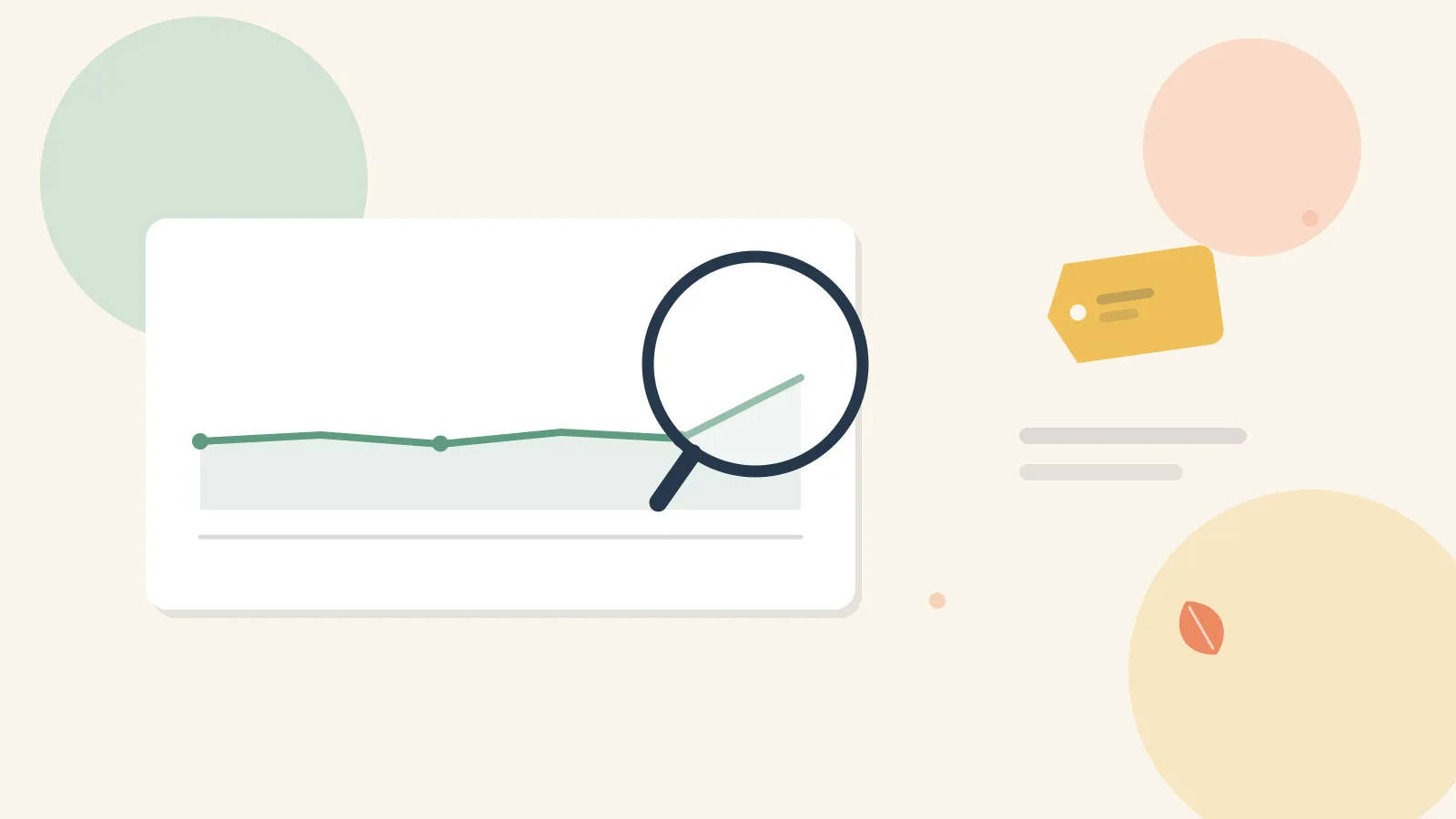
A big discount doesn't mean a low price. It means there's a big gap between two numbers, and one of those two numbers is chosen by the seller.
So the useful question isn't how much something has been reduced. It's how much it cost before and for how long it cost that. And for a few years now, that question has had a legal answer.
What the law requires when a shop advertises a sale
The rule is Spain's Retail Trade Act, amended by Royal Decree-law 24/2021, which transposed the EU Omnibus Directive.
It says that when items are offered at a reduced price, the previous price must be shown next to the reduced one. And it defines what that previous price is, which is the important part. It isn't the manufacturer's recommended price or a price the product once had: it is the lowest amount that same retailer has charged for that same product during the previous thirty calendar days.
The rule itself provides for a few nuances. Items put on sale for the first time don't carry a previous price, for obvious reasons. And reductions on products close to their expiry date are treated as an exception when they aim to reduce food waste.
A detail that often goes unnoticed: the law prohibits making promotions conditional on minimum or maximum discount percentages. A small discount can be advertised just like a huge one. The size of the percentage, on its own, guarantees nothing.
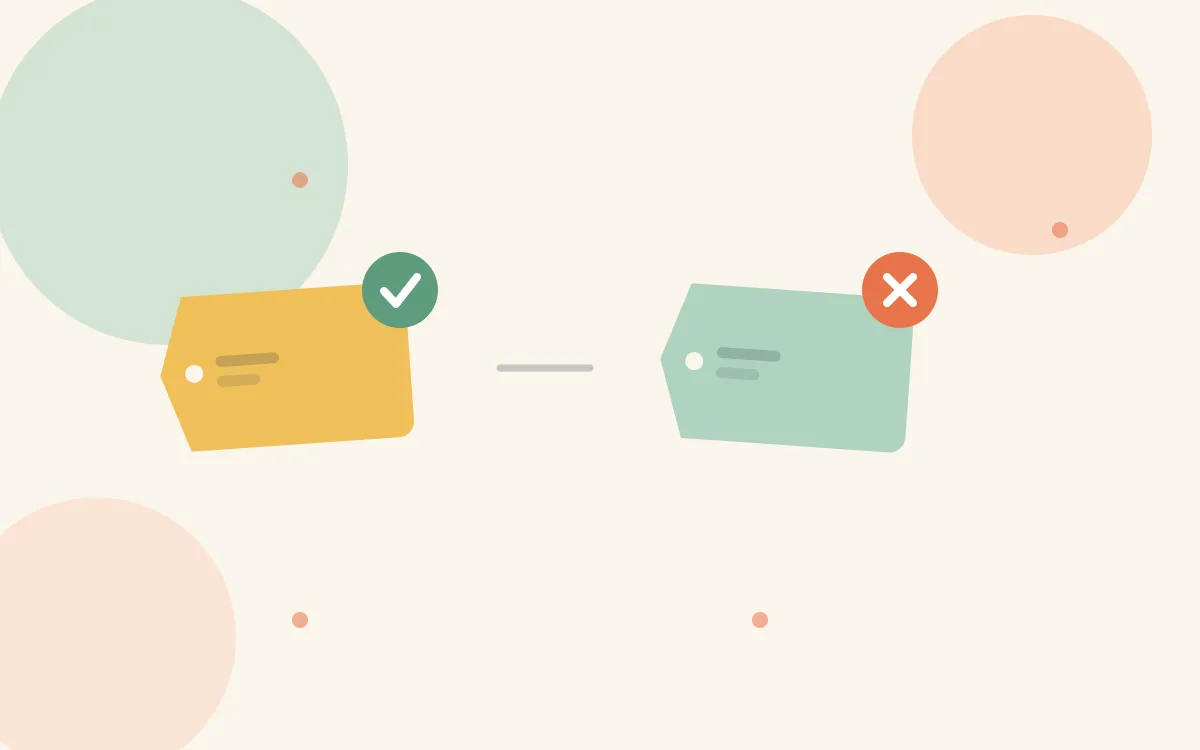
How far that protection goes
What the thirty-day rule eliminates is the crudest trick: raising the price a few days earlier so you can then advertise a spectacular reduction. That no longer works.
Everything else stays the same. The window is thirty days, so a price that moved earlier than that falls outside it. Price drops that aren't advertised as a sale aren't covered either. Personalised discounts from loyalty programmes work on a different logic. And above all, the previous price being correct doesn't tell you whether it was a good price.
No rule can solve that part. Whether that particular product is worth that particular price for what you need is still up to you.
The method that works is incredibly boring
The most reliable way to know whether a deal is good is to have looked at the price before the deal existed.
It sounds obvious and hardly anyone does it, because it requires exactly what online retail is designed to prevent: time passing between discovering something and deciding to buy it.
That gap is your best tool. If you save a product and keep an eye on it now and then for a few weeks, you end up knowing three things no sign will tell you. The range that price normally moves in. How often it moves. And whether the campaign price is really below the usual one or just below a one-off peak.
You don't need to keep a spreadsheet. Checking every few days for a month already gives you more context than most people buying on the day.
Five things I check before accepting a deal
I compare the exact reference, not the trade name. Many ranges have almost identical versions with small differences in features, and comparing prices between two models that aren't the same means nothing. You have to go down to the model number and the specifications.
I look at the final price, not the product price. Shipping, delivery terms and added charges are part of what you'll pay. A deal that stops being one on the payment screen is quite common, and you spot it by going all the way to the end before deciding.
I'm wary of discounts on the recommended price. When the reference you're shown isn't what that retailer used to charge but a theoretical catalogue price, the percentage can be huge without you saving anything.
I separate the urgency from the deal. Countdown timers and last-units warnings are design elements, not information about the price. If the deal is good, it's still good without the timer. If only the timer convinces you, it wasn't the deal that convinced you.
And I ask myself whether I was going to buy it anyway. A discount on something you don't need is spending with a reduction. It's the simplest trap of all and the one that costs the most money.
Where Spaidoo fits in
All of the above depends on one thing: the product being saved somewhere you can come back to effortlessly. Otherwise, watching it over time simply doesn't happen. Nobody visits the page of a specific product in a specific shop three weeks in a row.
And the usual system works against you. Every retailer has its own favourites list, so the products you're watching end up spread across several different places. Checking five products means visiting five shops and remembering which one was where. Nobody keeps that up for more than two weeks.
Spaidoo brings products from different shops together in a single list. That's the change: instead of chasing each product in its own shop, you have a single place with all of them, and checking them goes from being a chore to a thirty-second gesture on your phone.
When the campaign arrives, the difference shows. You're no longer judging a discount with the information the seller gives you, you're comparing it with what you've seen yourself for weeks.